Canthoplasty results speak for themselves a subtle lift at the outer corners of the eyes that looks natural, not surgical. The procedure repositions the lateral canthus to create a more almond-shaped, refreshed appearance that typically lasts a decade or longer.Below, you'll find our before and after gallery along with everything you need to know about what affects your results, recovery timelines, and how to evaluate whether canthoplasty is right for you.
Canthoplasty results speak for themselves a subtle lift at the outer corners of the eyes that looks natural, not surgical. The procedure repositions the lateral canthus to create a more almond-shaped, refreshed appearance that typically lasts a decade or longer.
Below, you'll find our before and after gallery along with everything you need to know about what affects your results, recovery timelines, and how to evaluate whether canthoplasty is right for you.
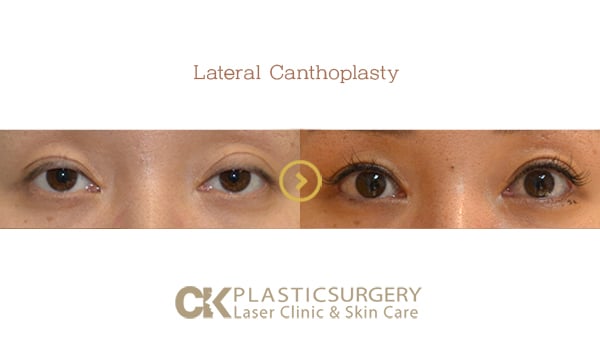
Canthoplasty Before and After Results
Canthoplasty lifts, tightens, and repositions the outer corners of your eyelids to create a more almond-shaped, refreshed appearance. Often called a "fox eye lift," the procedure corrects sagging, downturned, or tired-looking eyes with results that typically last ten years or longer. Patient satisfaction rates tend to be high because the changes look natural rather than obvious.
When you look at canthoplasty before and after photos, you'll notice the outer corner of the eye sits higher and appears more defined. The shift is subtle since the periorbital region greatly influences perceived age, your eyes look more open and awake, and friends and family usually just think you look well-rested. That's the goal: improvement without detection.
Lateral canthoplasty focuses specifically on the outer corner of the eye, called the lateral canthus. By repositioning this point, the procedure creates gentle elongation and an upward tilt that gives the eye a more almond or feline shape.
In our gallery, you can see how lateral canthoplasty refines eye shape while keeping each patient's natural features intact. The procedure works especially well for round eyes, a downward canthal tilt, or lower eyelid looseness that makes you look tired even when you're not.
Dr. Charles Kim tailors each procedure to complement your unique facial anatomy, so results look like a better version of you rather than a different person entirely.
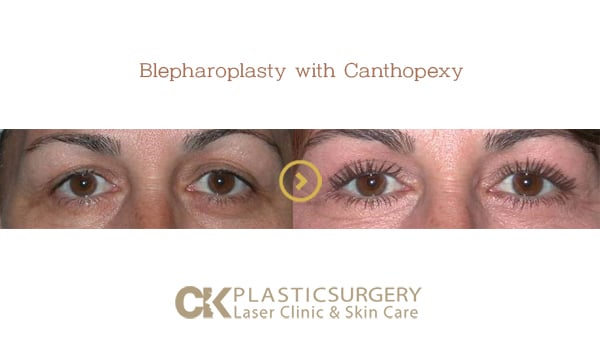
Canthopexy Before and After Comparison
Two procedures sound similar but work differently. Understanding the distinction helps you figure out which approach fits your goals.
What is canthopexy
Canthopexy tightens the canthal tendon without cutting and reattaching it. Think of it as a supportive "tuck" rather than a full repositioning. Surgeons often recommend canthopexy for mild looseness or as a preventative step during other eyelid procedures like blepharoplasty.
The recovery tends to be shorter, and the procedure is less invasive overall. However, the results are also more subtle and may loosen over time.
Canthoplasty vs canthopexy results
Canthoplasty creates more dramatic, permanent structural changes. Canthopexy offers gentle tightening with a quicker recovery but less lasting impact.
FeatureCanthoplastyCanthopexyTechniqueCuts and repositions tendonTightens existing tendonBest forModerate to significant laxityMild laxity or preventionResultsMore noticeable liftSubtle supportPermanenceLong-lasting structural changeMay loosen over time
If you have significant drooping or want a more visible change in eye shape, canthoplasty is typically the better choice. For mild concerns or preventative support, canthopexy may be enough.
What Affects Your Canthoplasty Results
Not everyone gets the same outcome from canthoplasty. Several factors influence how your results will look and how long they'll last.
Surgeon technique and precision
The surgeon's skill matters more than almost anything else. Repositioning the canthal tendon requires precise judgment about placement, tension, and symmetry. Small differences in technique can mean the difference between natural-looking results and an overcorrected appearance.
Board-certified plastic surgeons with specific experience in periorbital procedures understand the delicate balance between visible improvement and maintaining natural eye function. Dr. Kim evaluates each patient's anatomy individually to determine the optimal approach.
Your natural eye anatomy
Your bone structure, skin elasticity, and starting canthal tilt all influence the final outcome. Someone with naturally round eyes may see a more noticeable transformation than someone whose eyes already have an almond shape.
Bone structure: The shape of your orbital rim affects how much lift is possible
Skin elasticity: Better elasticity supports a more defined, longer-lasting result
Starting position: Eyes that sit lower or tilt downward show more dramatic improvement
During your consultation, Dr. Kim evaluates these factors to give you a realistic picture of what to expect.
Combining procedures for enhanced results
Canthoplasty addresses the outer corner of the eye, but it doesn't fix everything. Many patients combine it with other procedures for more comprehensive rejuvenation.
Brow lift: Elevates the brow for upper-face rejuvenation
Ptosis correction: Lifts drooping upper eyelids if present
Combining procedures can address concerns that canthoplasty alone cannot correct, like excess skin or under-eye bags. It also means one recovery period instead of two.
How Long Does Canthoplasty Take to Heal
Full recovery typically takes two to four weeks, though the timeline varies based on individual healing and whether you've combined procedures.
Most swelling and bruising subside within the first two weeks. You can usually return to work and light activities within seven to ten days, though strenuous exercise and heavy lifting typically wait until three to four weeks post-surgery.
The final, refined results emerge gradually over several months as all swelling resolves. What you see at two weeks is not what you'll see at six months the shape continues to settle and improve.
Tip: Sleeping with your head elevated and applying cold compresses during the first few days helps minimize swelling and speeds recovery.
Are Canthoplasty Results Permanent
Because canthoplasty physically repositions and anchors the canthal tendon, the structural changes are considered permanent. Unlike temporary treatments such as thread lifts, canthoplasty creates lasting anatomical changes.
Longevity of lateral canthoplasty results
The lift achieved from surgery will remain even as natural aging continues to affect your face over time. Many patients enjoy their results for ten years or longer. Your eyes will still age, but they'll age from a higher, more lifted starting point.
Factors that influence long-term outcomes
How well your results hold up depends on several factors beyond the surgery itself.
Skin elasticity: Better elasticity supports a longer-lasting lift
Lifestyle habits: Smoking and poor nutrition can compromise healing and longevity
Taking care of your skin after surgery helps preserve your results for as long as possible.
Canthoplasty Recovery Timeline
Knowing what to expect week by week helps you plan accordingly and reduces anxiety about the healing process.
Week one after surgery
During the first week, you'll experience peak swelling and bruising, along with a temporary feeling of tightness around the eyes. Rest is essential during this phase. Avoid strenuous activity and follow your surgeon's instructions for eye care, including any prescribed drops or ointments.
Most patients describe mild discomfort rather than significant pain. The eyes may feel dry or irritated as they heal.
Weeks two through four
Swelling continues to decrease and bruising fades significantly. Most patients feel comfortable returning to work and social activities during this period.
If non-dissolvable sutures were used, they're typically removed around day seven to ten. By week three or four, you'll start to see the shape of your results, though some swelling remains.
One to three months
Residual swelling resolves gradually during this phase. The shape of your eye continues to refine and settle into its final position. You might notice subtle changes week to week as tissues heal and relax.
Final results at six months
By the six-month mark, all swelling has typically resolved, and you can see your true, lasting results. The subtle, natural-looking outcome becomes fully apparent at this stage. What you see now is what you can expect going forward.
Risks That Can Affect Canthoplasty Outcomes
When performed by a skilled surgeon, complications are rare. However, understanding potential risks helps you make an informed decision and recognize what's normal during recovery.
Common side effects after canthoplasty
Temporary effects are a normal part of healing and resolve on their own.
Swelling and bruising: Peaks in the first week, then gradually resolves
Mild discomfort: Managed with prescribed or over-the-counter pain relief
Temporary dryness or irritation: Eyes may feel dry as they heal; lubricating drops help
Rare complications
For full transparency, rare risks include asymmetry, infection, and temporary difficulty closing the eyes fully. Asymmetry can sometimes be addressed with revision surgery if needed. Infection is rare with proper aftercare. Difficulty closing the eyes usually resolves as swelling decreases.
How to protect your results
Following all aftercare instructions, attending follow-up appointments, and avoiding activities that strain the eyes during recovery all contribute to optimal outcomes. Dr. Kim provides detailed guidance and monitors your healing closely.
See Natural Canthoplasty Results at CK Plastic Surgery
Dr. Charles Kim specializes in lateral canthoplasty and other periorbital procedures, with a focus on creating natural-looking results that preserve and enhance each patient's unique eye shape. At CK Plastic Surgery in Los Angeles, we combine expert surgical technique with personalized planning to help you achieve the refreshed, balanced appearance you're looking for.
Yes, canthoplasty can elevate the lateral canthus to create a more positive canthal tilt, giving the eyes an upward, almond-shaped appearance. The degree of change depends on your starting anatomy and surgical goals. During your consultation, Dr. Kim can show you what degree of change is realistic for your features.
Can canthoplasty results be reversed?
Canthoplasty is considered a permanent procedure, and reversal is complex. Revision surgery may be possible in some cases, but it's best to discuss expectations thoroughly during your consultation. Choosing an experienced surgeon from the start reduces the likelihood of needing revision.
How do I evaluate canthoplasty before and after photos?
Look for natural-looking results with improved symmetry, a subtle lift at the outer corners, and minimal visible scarring. Photos taken at consistent angles and with consistent lighting give the most accurate representation. Pay attention to whether the results look harmonious with the patient's overall facial features rather than overdone.
What is the difference between lateral and medial canthoplasty?
Lateral canthoplasty targets the outer corner of the eye for elongation and lift. Medial canthoplasty addresses the inner corner, often to widen eye spacing. Lateral canthoplasty is more commonly performed for cosmetic enhancement. Dr. Kim can discuss which approach or combination aligns with your aesthetic goals.
Can I combine canthoplasty with double eyelid surgery?
Yes, canthoplasty can be combined with double eyelid surgery (Asian blepharoplasty) to create a defined crease while also enhancing the overall eye shape. Many patients find that combining procedures achieves more comprehensive results with a single recovery period.