The Best Non-Invasive Face Lifting Treatments for 2026
Your face changes gradually, then all at once—one day you notice the jawline isn't quite as defined, or the skin along your cheeks seems to have shifted downward. These changes are normal, but that doesn't mean you have to accept them as permanent.Non-invasive face lifting offers a way to address early sagging, volume loss, and fine lines without surgery, incisions, or extended recovery. This guide covers the most effective treatments available, how they compare, and what to consider when choosing the right approach for your goals.
The Best Non-Invasive Face Lifting Treatments for 2026
Your face changes gradually, then all at once, one day you notice the jawline isn't quite as defined, or the skin along your cheeks seems to have shifted downward. These changes are normal, but that doesn't mean you have to accept them as permanent.
Non-invasive face lifting offers a way to address early sagging, volume loss, and fine lines without surgery, incisions, or extended recovery. This guide covers the most effective treatments available, how they compare, and what to consider when choosing the right approach for your goals.
What is a non-surgical facelift
A non-surgical facelift is a combination of minimally invasive procedures, dermal fillers, Botox, and energy-based skin tightening, designed to rejuvenate your face without incisions, general anesthesia, or weeks of downtime. The goal is to restore lost volume, soften wrinkles, and create subtle lifting that lasts anywhere from several months to a couple of years.
So what actually falls under this umbrella?
Why choose a non-invasive face lift over surgery
Minimal downtime and quick return to daily life
Most treatments take about an hour, and you can typically get back to your routine the same day. There's no need to plan for weeks away from work or arrange help at home during recovery.
Natural looking results without incisions
Non-surgical approaches create a refreshed appearance rather than a dramatic transformation. You won't have scars or that telltale "had work done" look, just a more rested version of yourself.
Lower cost than traditional facelift surgery
Without anesthesia fees, operating room costs, or extended recovery care, non-surgical options are generally more accessible. For many people, they serve as a good starting point before considering anything more involved.
Gradual collagen stimulation for lasting improvement
Here's something interesting: certain treatments actually trigger your body to produce new collagen over time. Energy-based devices and collagen-stimulating fillers like Radiesse and Sculptra, counteracting the 1.0%–1.5% annual collagen decline that begins in early adulthood. Energy-based devices and collagen-stimulating fillers like Radiesse and Sculptra don't just provide immediate results, they continue improving your skin for weeks or months afterward.
Best non-surgical facelift treatments for face lifting without surgery
There's no single "best" treatment that works for everyone. What works for volume loss won't necessarily address skin laxity, and vice versa. The right choice depends on your specific concerns.
Thermage FLX radiofrequency skin tightening
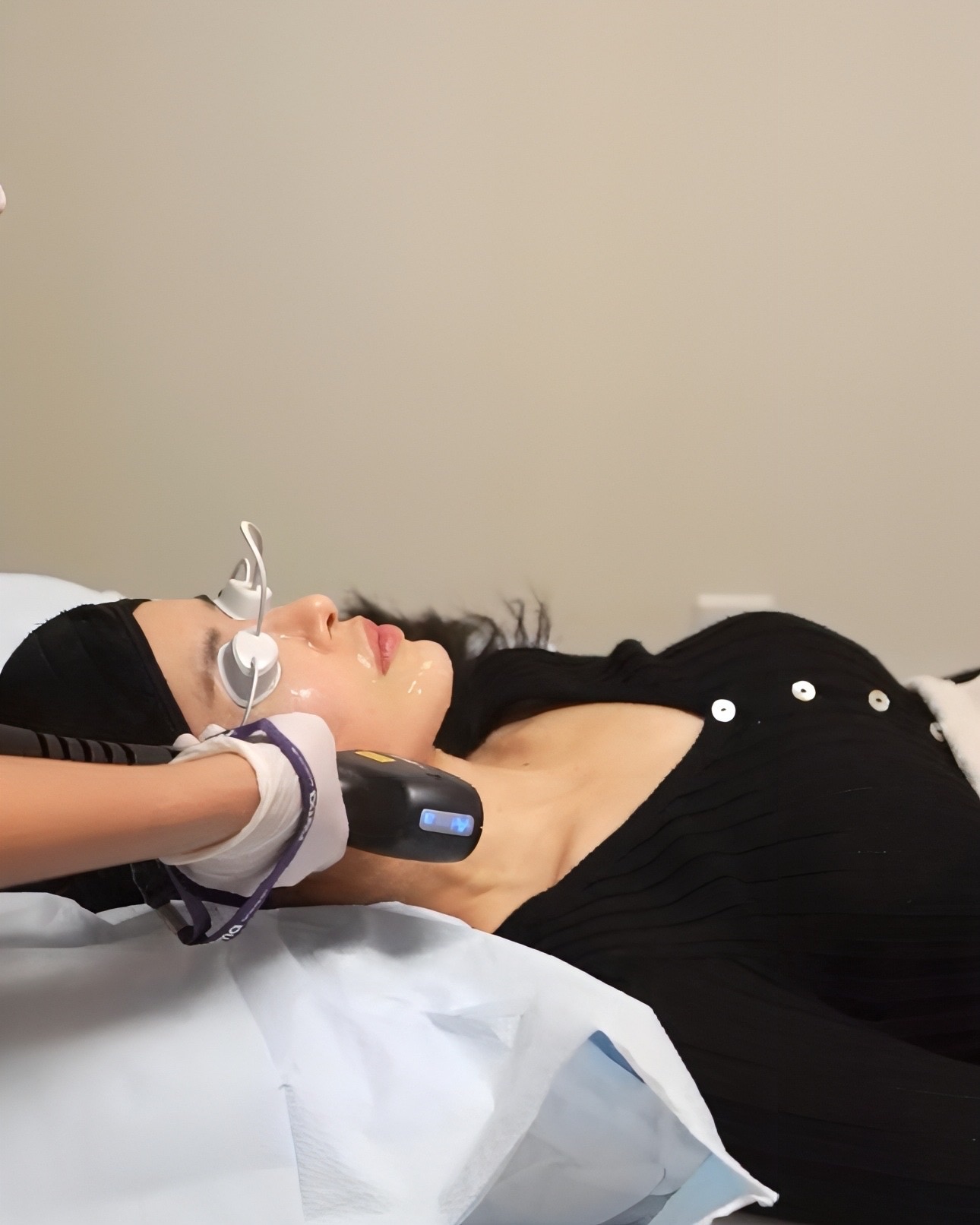
Thermage FLX delivers radiofrequency energy deep into your skin, heating the tissue to stimulate collagen production. It's particularly effective for mild to moderate laxity on the face and neck. Most people only need one session, and results develop gradually over the following weeks as new collagen forms., with studies showing significant improvement at 12 weeks maintained through 24 weeks as new collagen forms.
Oligio X non-invasive face lifting
Oligio X uses advanced radiofrequency technology to firm skin and reduce fine lines. The treatment is comfortable for most patients and works well for those who want noticeable improvement without intense sensations during the procedure.
Ultherapy high intensity focused ultrasound
Ultherapy takes a different approach, it uses focused ultrasound waves that reach deeper tissue layers than radiofrequency alone. The FDA has cleared it specifically for lifting the brow, chin, and neck. Results take two to three months to fully appear as your body builds new collagen.
Dermal fillers and the liquid facelift
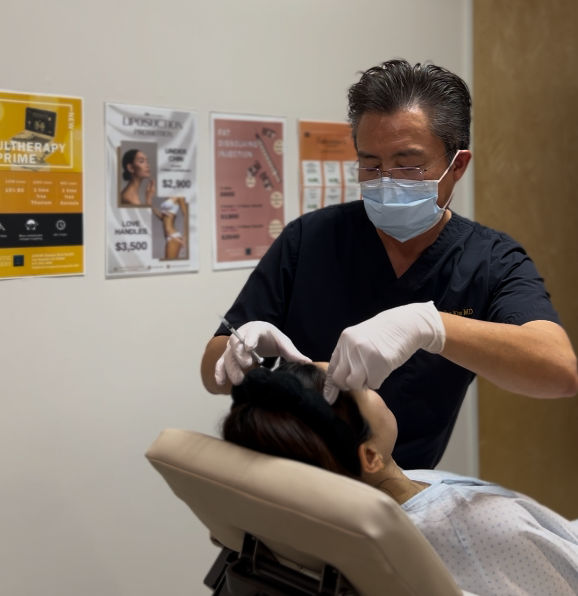
Dermal fillers are injectable gels that restore volume where you've lost it, typically the cheeks, temples, and along the jawline. Radiesse, for example, provides immediate plumping while also stimulating your own collagen production for longer-lasting results. This "liquid facelift" approach can reshape your facial contours in a single appointment.
PDO thread lifts for non-surgical lifting
PDO threads are dissolvable sutures placed beneath the skin to physically lift sagging tissue. They also trigger collagen production along the thread pathway, so you get both an immediate lift and gradual improvement over time. Results typically last up to a year or longer.
Laser-based skin tightening treatments
Laser devices heat the skin to promote collagen remodeling, improving both texture and mild laxity. Alma Soprano Titanium Lifting, for instance, combines tightening with overall skin quality improvements, making it a versatile option for facial rejuvenation.
RF microneedling for skin firming
RF microneedling pairs tiny needles with radiofrequency energy. Treatments like Secret RF create controlled micro-injuries while delivering heat to deeper layers. This combination addresses surface texture and underlying laxity at the same time, though most people benefit from a series of sessions.
Non-surgical facelift vs surgical facelift
The decision between non-surgical and surgical approaches comes down to your concerns, your goals, and how much downtime you can realistically accommodate.
FactorNon-Surgical FaceliftSurgical FaceliftAnesthesiaNone or topical/localGeneral anesthesiaIncisionsNone or minimalIncisions along hairline and earsDowntimeMinimal (hours to days)Extended (weeks)Results DurationTemporary (months to a couple years)Long-lasting (many years)Best ForMild to moderate concernsModerate to severe aging
Non-surgical options work well as a first step or for maintenance between surgical procedures. However, if you have significant sagging or deep tissue laxity, a surgical facelift, with over 20.5 million non-surgical procedures performed worldwide in 2024. However, if you have significant sagging or deep tissue laxity, a surgical facelift addresses underlying structures in ways that non-invasive treatments simply cannot replicate.
Best non-surgical facelift for jowls and lower face sagging
Lower face sagging and early jowling are among the most common reasons people explore non-surgical options. Several treatments can help, though the best approach often combines more than one.
Radiofrequency treatments for jawline definition
Devices like Thermage FLX and Oligio X tighten skin along the jawline by stimulating collagen deep within the tissue. They work best for mild jowling and early laxity, with results developing gradually over several weeks.
Dermal fillers for lower face volume loss
Here's something many people don't realize: volume loss in the midface often contributes to lower face sagging. When your cheeks deflate, skin can droop downward toward the jawline. Strategic filler placement in the cheeks and along the jaw can lift and restore contour, creating a more defined profile.
Thread lifts for lifting sagging jowls
PDO threads can physically reposition sagging tissue along the jawline, providing an immediate visible lift. Because the threads also stimulate collagen production, results continue improving after the initial placement.
How to choose the best non-surgical facelift treatment
Identify your primary skin concerns
Start by asking yourself what bothers you most. Is it volume loss in your cheeks? Skin laxity along your jawline? Fine lines around your eyes? Different treatments target different issues, so clarity here guides your options.
Consider your available recovery time
While most non-surgical treatments involve minimal downtime, some may cause temporary swelling or bruising that lasts a few days. Match your treatment choice to your schedule and any upcoming events.
Understand how long results will last
Injectables, energy-based treatments, and threads all have different longevity. Fillers may last six months to over a year, while energy-based results can persist longer with maintenance sessions. Factor ongoing care into your decision.
Book a consultation with an experienced provider
A personalized assessment is the most reliable way to determine which treatments will achieve your goals. During a consultation, your provider evaluates your facial structure, skin quality, and concerns to create a customized plan.
Frequently asked questions about non-surgical facelifts
How long does a non-surgical facelift last?
Results vary by treatment type. Dermal fillers typically last six months to over a year, depending on the product and treatment area. Energy-based treatments like Thermage FLX can provide results lasting a year or longer, while thread lifts maintain their effect for up to a year or more. Maintenance sessions help extend your results over time.
Can a non-invasive face lift fix sagging skin completely?
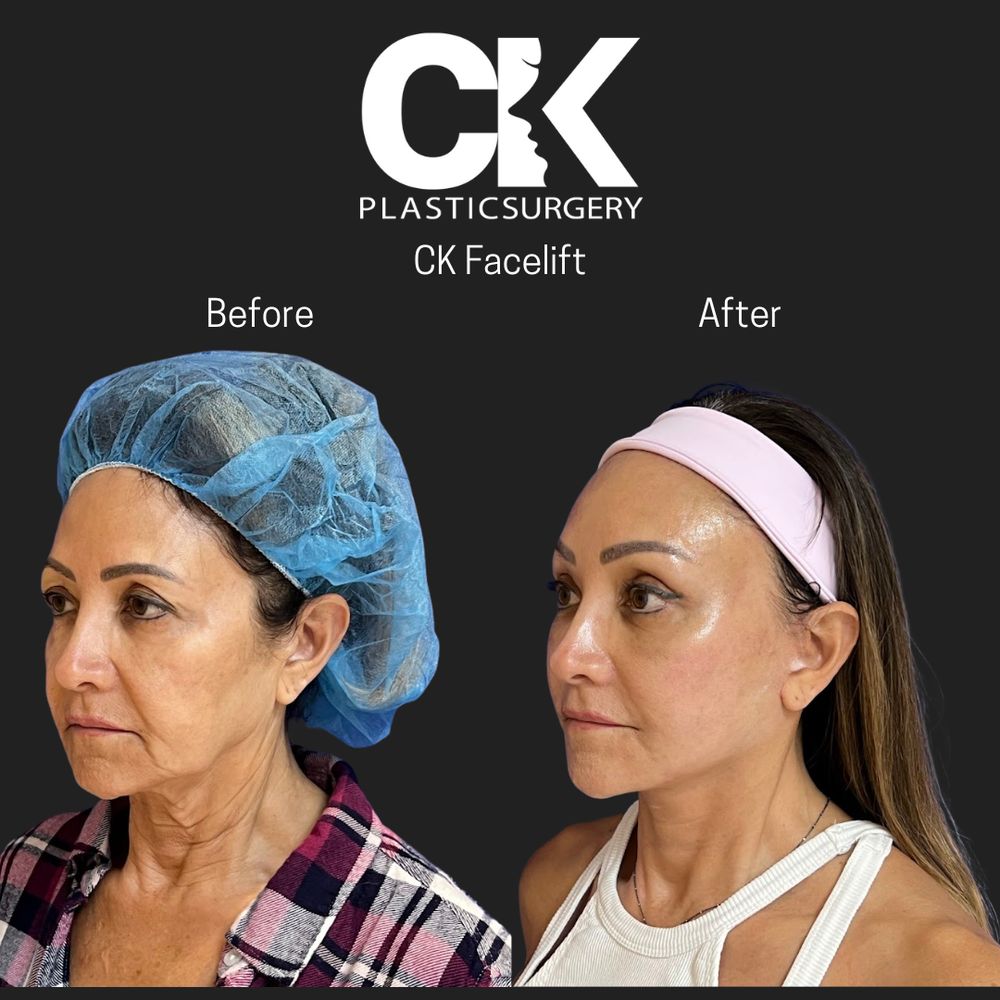
Non-surgical treatments work best for mild to moderate sagging, providing subtle improvement rather than dramatic correction. If you have severe skin laxity or significant tissue descent, a surgical facelift may offer more comprehensive results. Many patients use non-surgical options to delay surgery or maintain results afterward.
What is the best non-surgical facelift for patients over 60?
The best treatment depends on your specific concerns and skin condition rather than age alone. Some patients over 60 achieve excellent results with combination approaches, fillers for volume restoration paired with energy-based tightening. A consultation helps determine which treatments will address your individual goals most effectively.
Can you combine multiple non-surgical facelift treatments?
Yes, and many patients achieve optimal results through combination therapy. For example, dermal fillers can restore volume while radiofrequency or ultrasound treatments tighten skin. Your provider can create a customized plan that addresses multiple concerns in a coordinated approach.
How much does a non-invasive facelift cost?
Cost varies based on the specific treatments selected, how many sessions are needed, and the extent of the treatment area. During a consultation, you'll receive detailed information about pricing for your customized plan. CK Plastic Surgery also offers special monthly promotions on select treatments.
Is a non-surgical facelift painful?
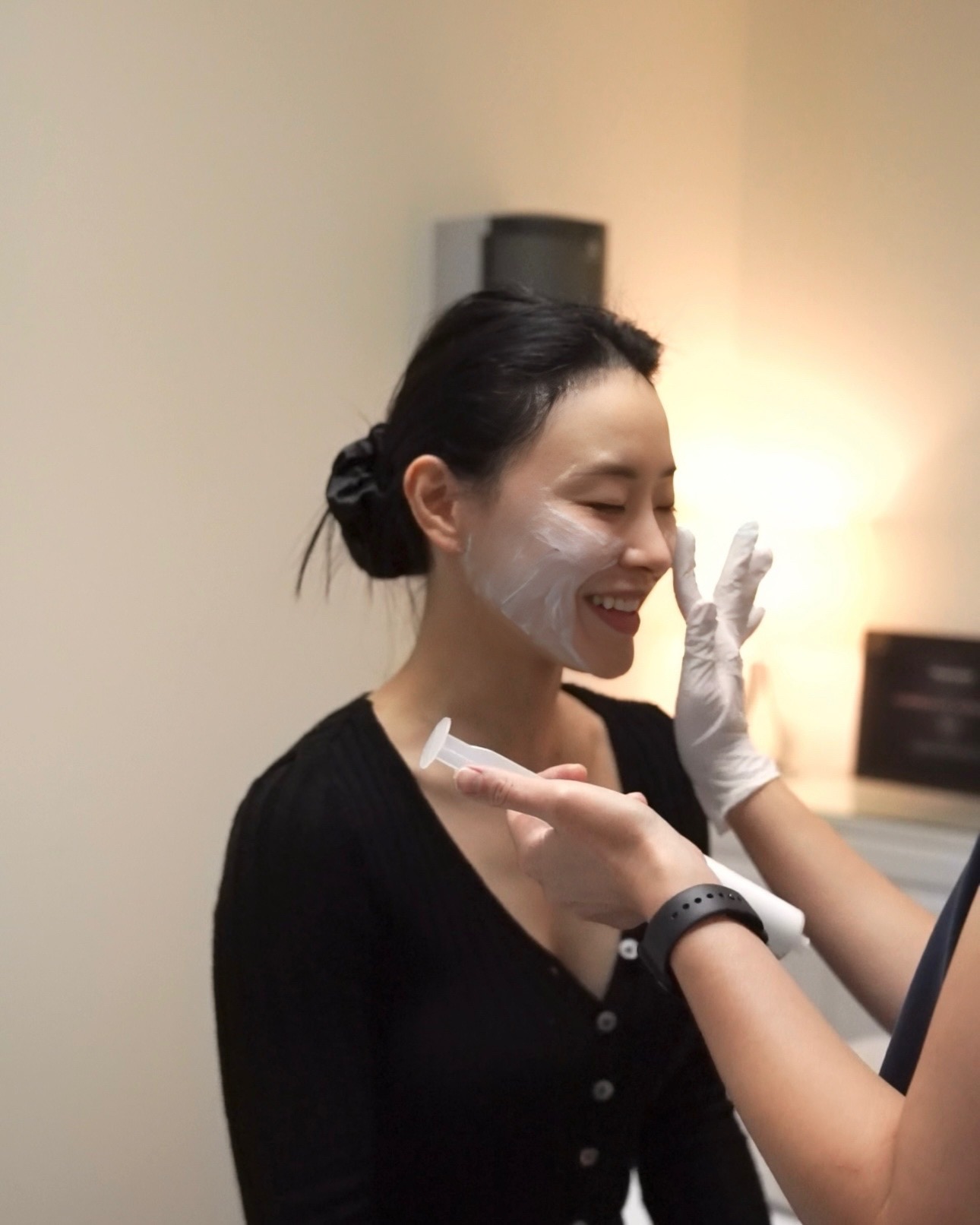
Most patients experience minimal discomfort during non-surgical treatments. Providers typically use topical numbing cream or local anesthesia as needed, and sensations during treatment are often described as tolerable warmth or pressure. Any post-treatment tenderness usually resolves within a few days.