Best Laser Skin Tightening Options: Expert Comparison 2026
Loose skin doesn't wait for permission to show up. Whether it's early jowling, a softening jawline, or that subtle loss of firmness you notice in photos, these changes often appear before you feel ready to consider surgery.
Best Laser Skin Tightening Options: Expert Comparison 2026
Loose skin doesn't wait for permission to show up. Whether it's early jowling, a softening jawline, or that subtle loss of firmness you notice in photos, these changes often appear before you feel ready to consider surgery.
Laser skin tightening offers a middle path—non-invasive treatments that stimulate your body's own collagen production to restore firmness without incisions or extended downtime. This guide compares the leading technologies, explains how each works, and helps you determine which approach fits your skin type and goals.
What Is Laser Skin Tightening
Laser skin tightening is a non-invasive cosmetic procedure that uses focused light or heat energy to stimulate collagen production in the deeper skin layers. The result is firmer, smoother skin with reduced fine lines—and you can typically return to your day right after treatment. What's interesting is that "laser" in this context actually covers several energy types, including radiofrequency, ultrasound, and light-based devices. All of them work by heating tissue to trigger your body's natural tightening response.
How Laser Skin Tightening Treatments Work
Collagen Stimulation and Tissue Remodeling
Here's what's actually happening beneath the surface. Collagen is the protein that keeps your skin firm and elastic—think of it as the scaffolding holding everything in placeHere's what's actually happening beneath the surface. Collagen is the protein that keeps your skin firm and elastic—think of it as the scaffolding holding everything in place, declining ~1.0%–1.5% per year starting in early adulthood. When controlled heat energy reaches the deeper skin layers, two things occur. First, existing collagen fibers contract immediately, creating some instant tightening. Then, over the following weeks and months, your body produces fresh collagen through a process called neocollagenesis.
Energy Types Used for Skin Tightening
Different devices deliver energy in different ways, and each has distinct advantages.
Radiofrequency (RF) uses electrical currents to heat the dermis—the middle layer of your skin. Ultrasound penetrates even deeper, reaching the SMAS layer that surgeons address during facelift procedures. Intense Pulsed Light (IPL) works primarily on surface concerns like pigmentation, with mild tightening as a secondary benefit.
Best Lasers for Skin Tightening
The "best" device depends entirely on your goals, skin type, and which areas you want to treat. Here's how the leading options compare.
Thermage FLX
Thermage FLX delivers radiofrequency energy in a single session, which appeals to patients who prefer fewer appointments. It works well on both face and body—jawline, eyes, abdomen, and arms all respond to treatment. The device includes a vibrating tip and cooling mechanism that make the warming sensation more comfortable.
Oligio X Radiofrequency
Oligio X is a newer RF technology using monopolar energy delivery with built-in comfort features. It's particularly effective for facial rejuvenation and improving overall skin texture. The precision heating allows providers to customize treatment intensity based on your specific concerns.
Alma Soprano Titanium Lifting
This laser-based system features real-time temperature monitoring, which means consistent energy delivery throughout your session. It's well-suited for jawline definition and neck tightening, and importantly, it works safely across all skin types—including darker skin tones that can be more challenging to treat with some devices.
Ultherapy Ultrasound
Technically not a laser, but Ultherapy is frequently compared to laser treatments because it addresses the same concerns. It uses focused ultrasound to reach the deeper SMAS layer, producing a lifting effect that develops gradually over several months. Many patients choose Ultherapy specifically for brow lifting and neck tightening., with over 3.5 million treatments performed globally. Many patients choose Ultherapy specifically for brow lifting and neck tightening.
Intense Pulsed Light
IPL addresses surface concerns like uneven tone, sun spots, and redness while providing modest tightening benefits. It works best as a complementary treatment alongside dedicated tightening devices rather than as a standalone solution for laxity.
DeviceEnergy TypeBest ForDowntimeThermage FLXRadiofrequencyFace and body laxityMinimalOligio XRadiofrequencyFacial rejuvenationMinimalAlma Soprano TitaniumLaser-basedJawline and neckNoneUltherapyUltrasoundDeep liftingMinimalIPLLight-basedSkin tone with mild tighteningNone
Radiofrequency vs Ultrasound vs IPL for Skin Tightening
Radiofrequency Skin Tightening
RF energy heats the dermis layer, making it ideal for mild-to-moderate laxity. If you're noticing early jowling, softening along the jawline, or want preventative treatment before more significant sagging develops, RF is often the starting point. Most patients describe the sensation as a deep warming feeling.
Ultrasound Skin Tightening
Ultrasound penetrates deeper than RF, reaching the SMAS layer—the same tissue layer addressed during surgical facelifts. This makes ultrasound particularly effective for structural lifting. However, results take longer to appear because collagen rebuilding at this depth requires more time, typically 3-6 months for full effect.
Intense Pulsed Light for Tightening
IPL primarily targets pigmentation, redness, and sun damage. The tightening benefit is real but secondary. Many patients combine IPL with RF or ultrasound treatments for comprehensive rejuvenation that addresses both texture and laxity in a single treatment plan.
Best Laser Treatment to Tighten Skin on Face
Facial skin responds particularly well to energy-based tightening. The tissue is thinner than body skin, and collagen stimulation produces visible results relatively quickly.
Jawline and Jowl Tightening
Early jowling and loss of jaw definition rank among the top concerns for patients exploring non-surgical options. RF devices like Thermage FLX and Alma Soprano Titanium can restore crispness to the jawline without incisions. You'll typically notice gradual improvement over 2-3 months as new collagen forms.
Cheek and Midface Lifting
As we age, the midface loses volume and begins to descend, creating a tired or hollow appearance. Energy-based treatments can restore a lifted look to the cheeks. Some patients combine tightening treatments with collagen-stimulating fillers like Radiesse or Sculptra for enhanced results—the filler restores volume while the energy device improves skin quality.
Forehead and Brow Tightening
Brow heaviness and forehead laxity contribute to looking tired even when you're well-rested. Ultrasound-based treatments like Ultherapy are often recommended for this area because they can target the deeper tissues responsible for brow position. The lifting effect develops gradually and can delay the point at which surgical brow lifting becomes necessary.
Laser Tightening for Neck and Body
Laser Tightening of Neck
The neck presents unique challenges. The skin is thinner, horizontal lines form from repeated movement, and vertical banding can develop as underlying muscles become more prominent. RF devices with real-time temperature monitoring help ensure safe, effective treatment in this delicate area. Most patients see improvement in both skin texture and mild laxity.
Laser for Crepey Arms
Crepey skin—that thin, wrinkled texture resembling crepe paper—commonly appears on the upper arms. Body-specific treatment protocols using RF technology—including Secret RF microneedling—can improve texture and firmness. Multiple sessions are typically recommended, spaced several weeks apart to allow collagen rebuilding between treatments.
Abdomen and Thigh Tightening
Larger body areas require longer treatment times and often benefit from a series of sessions. Energy-based tightening works best for patients with mild-to-moderate laxity. If you have significant loose skin following major weight loss, surgical options like a tummy tuck may be more appropriate—a consultation can help clarify which approach fits your situation.
How Much Does Laser Skin Tightening Cost
Pricing varies based on several factors, and a consultation provides the most accurate estimate for your specific goals.
Most patients experience only temporary effects that resolve quickly—mild redness lasting a few hours, warmth in the treated area, and slight swelling that subsides within 24-48 hours. You can typically apply makeup and return to normal activities the same day.
Rare Risks and How to Avoid Them
Burns and pigmentation changes are uncommon when treatments are performed by qualified providers using appropriate settings for your skin type. Choosing an experienced practitioner—ideally a board-certified plastic surgeon—significantly reduces risk. During your consultation, ask about the provider's experience with your specific skin type and concerns.
Safety for Different Skin Types
Newer devices like Alma Soprano Titanium work safely across all skin tones, including darker skin. The Fitzpatrick scale classifies skin types from I (very fair) to VI (deeply pigmented), and providers use this classification to select appropriate energy settings. If you have darker skin, ask specifically about the device being recommended and the provider's experience treating similar skin types.
What to Expect During Laser Skin Tightening
1. Consultation and Skin Analysis
Treatment begins with a comprehensive facial analysis to determine the best approach for your concerns. Your provider will evaluate your skin type, degree of laxity, and aesthetic goals. At CK Plastic Surgery, Dr. Kim uses this evaluation to recommend specific devices and treatment protocols tailored to your anatomy.
2. Pre-Treatment Preparation
You'll receive instructions about avoiding sun exposure and certain skincare products before your appointment. Most treatments require no special preparation beyond arriving with clean skin free of makeup and lotions.
3. The Laser Tightening Procedure
During treatment, a conductive gel is applied to your skin, and the device is passed over the treatment area in a systematic pattern. Most patients describe a warming sensation that's comfortable without anesthesia. Sessions typically last 30-90 minutes depending on the area treated. Some devices include cooling mechanisms or vibration to enhance comfort.
4. Immediate Aftercare
You can return to normal activities immediately after most treatments. Simple aftercare includes gentle skincare, sun protection, and staying hydrated. Avoid intense exercise and hot environments for 24 hours to minimize swelling.
Laser Skin Tightening Results and Recovery
When You Will See Results
Some initial tightening may be visible immediately as existing collagen contracts. However, the most significant improvement develops gradually over 2-6 months as your body produces new collagen. Patience is part of the process—the natural timeline means results look subtle and authentic rather than sudden or artificial.
How Long Laser Tightening Results Last
With proper care, results can last 1-3 years depending on the device used, your skin quality, and lifestyle factors like sun exposure and smoking. Results are not permanent because your skin continues to age, but treatments can significantly slow visible aging and delay the point at which more invasive options become necessary.
Maintenance Treatments for Lasting Results
Periodic touch-up sessions help maintain your results over time. Many patients return annually or every 18 months for maintenance treatments, and complementary procedures like microneedling can further support collagen renewal between sessions. Good skincare habits—including daily sunscreen and medical-grade products—extend the benefits of your treatment.
Who Is a Good Candidate for Laser Skin Tightening
Ideal candidates typically share certain characteristics:
Energy-based tightening suits patients across age ranges, from those seeking prevention in their 30s to those addressing established laxity in their 50s and beyond. If you have significant loose skin or deep facial folds, a surgical facelift, with the 35–59 age segment showing the highest growth in non-surgical tightening demand. If you have significant loose skin or deep facial folds, a surgical facelift may provide more dramatic improvement—your consultation will help clarify which approach fits your situation.
Home Laser for Skin Tightening vs Professional Treatments
At-home devices have become increasingly popular, but they deliver significantly less energy than professional treatments. The FDA limits energy output for consumer devices to ensure safety without medical supervision.
Home devices may help maintain results between clinical sessions, but they cannot replicate the collagen stimulation achieved with medical-grade equipment.
Laser Skin Tightening vs Surgical Facelift
Understanding when each option is appropriate helps you make the right choice for your concerns.
Many patients use laser tightening to delay surgery or maintain surgical results over time. For moderate laxity, a thread lift can provide an intermediate lifting option between energy devices and surgery. The approaches complement each other well—some patients start with energy-based treatments in their 40s, then transition to surgical options when laxity progresses beyond what non-invasive treatments can address.
Start Your Laser Skin Tightening Journey in Los Angeles
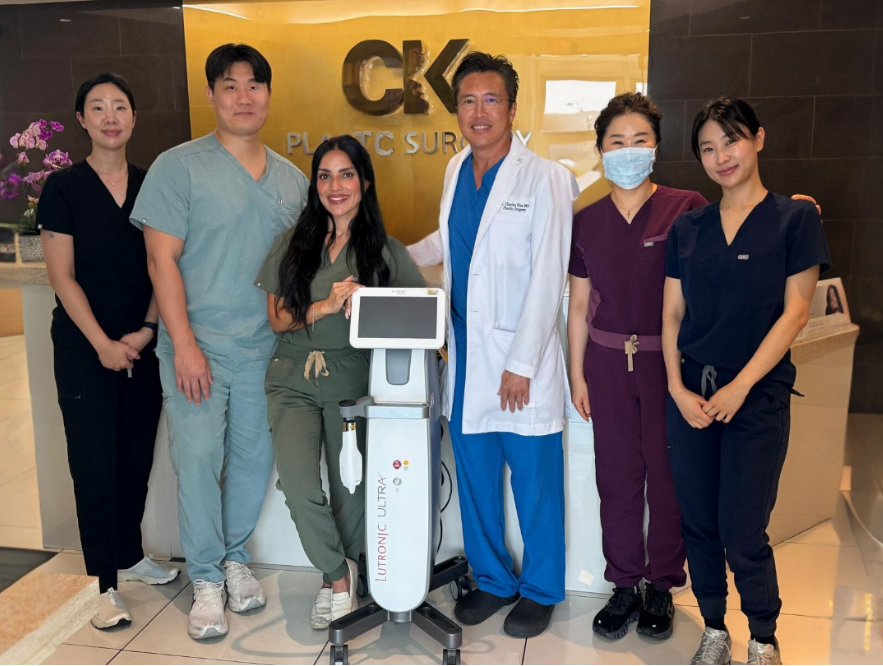
At CK Plastic Surgery, Dr. Charles Kim provides personalized consultations to determine which skin tightening technology best addresses your concerns. Our practice offers Thermage FLX, Oligio X, and Alma Soprano Titanium Lifting—each with distinct advantages depending on your goals and skin type.
Whether you're exploring prevention or addressing established laxity, we're here to provide clear guidance and help you move forward with a plan that fits you.
Frequently Asked Questions About Laser Skin Tightening
What does Kim Kardashian use for skin tightening?
Celebrities often use combinations of treatments including radiofrequency devices like Thermage and other energy-based technologies. Individual treatment plans vary based on specific concerns, skin type, and goals—what works for one person may not be the right fit for another.
Does CO2 laser help with skin tightening?
CO2 laser is primarily a resurfacing treatment for texture, scars, and pigmentation. It does stimulate collagen production, which provides secondary tightening benefits. However, dedicated RF or ultrasound devices are typically preferred when tightening is the primary goal.
How many laser skin tightening sessions are needed for results?
Most patients see improvement after one session, though a series of 3-6 treatments is often recommended for optimal results. The exact number depends on the device used, the treatment area, and your individual skin concerns.
Can laser skin tightening replace a facelift?
Laser tightening is excellent for prevention and mild-to-moderate laxity, but it cannot replicate surgical lifting for advanced sagging. Many patients use energy-based treatments to delay surgery or complement surgical results after a facelift.
Is laser skin tightening painful?
Most patients describe treatments as comfortable, with a warming sensation rather than pain. Devices with built-in cooling and temperature monitoring enhance comfort. Anesthesia is not typically required for skin tightening treatments.
What is the best laser treatment for neck wrinkles?
Radiofrequency devices like Thermage FLX and Alma Soprano Titanium are commonly recommended for neck tightening. They address both horizontal lines and mild vertical banding with minimal downtime. Ultrasound-based treatments like Ultherapy and Sofwave can also be effective for deeper neck laxity.